
Renting on Isle of Palms or Daniel Island? What You Can Fix, What Needs the Landlord, and What a Handyman Can Do
A lot of East Cooper housing is rented, especially on the islands and in the newer townhome blocks. More than half of Isle of Palms homes and about a quarter on Sullivan's Island sit empty much of the year (Census ACS 2020–2024), and about 36% of Mount Pleasant's housing units are attached or multifamily. So I get this question often: I'm renting, something's broken or I want something hung, what am I allowed to do, and can you do it? Here is how I sort it.
This is general information, not legal advice. Your lease is the document that matters. South Carolina has a residential landlord and tenant law that sets out basic duties on both sides, but I'm a handyman, not a lawyer, so if you and your landlord disagree about who fixes what, read the lease and the law or talk to someone who gives legal advice for a living.
Three buckets
What you can do without asking. What the landlord has to handle. And what a handyman can do for you, usually with the landlord's written OK.
Bucket oneThings you can usually just do
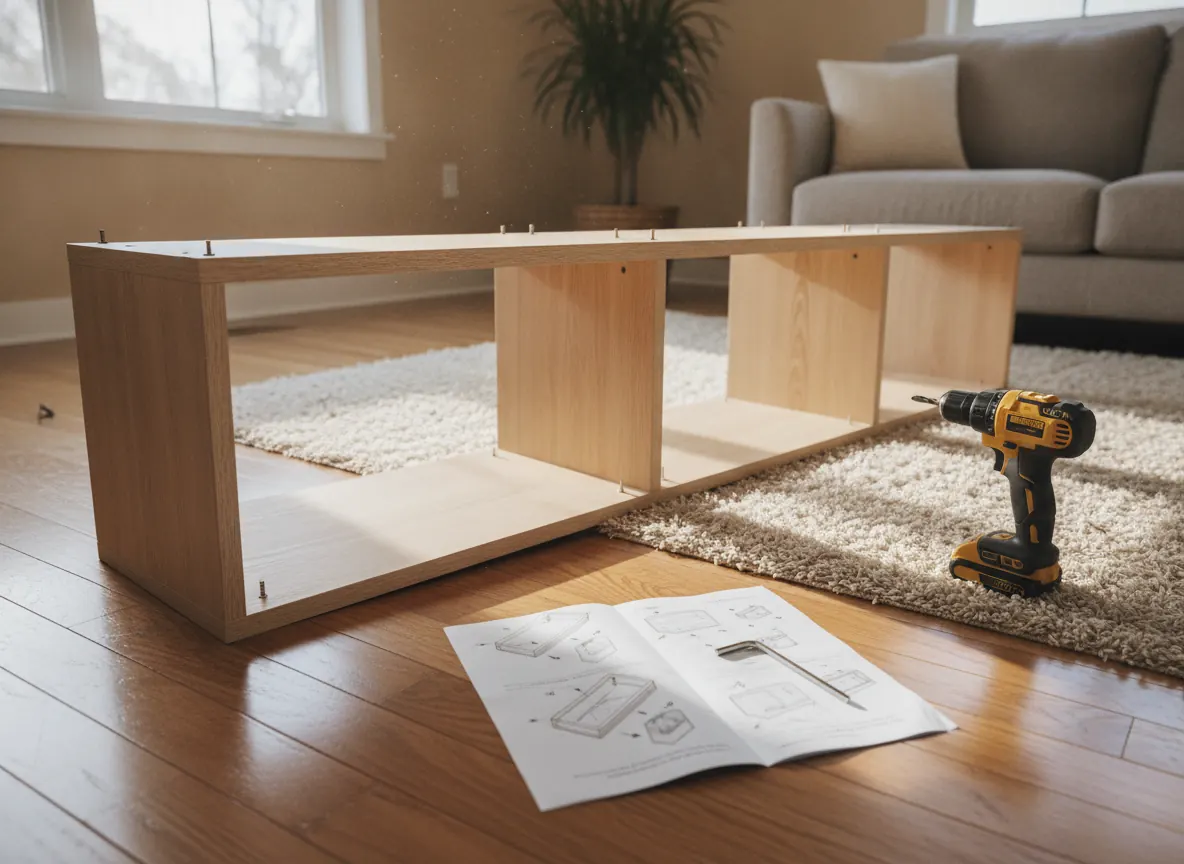
Work that leaves no mark and goes with you when you leave. Nobody needs to approve you putting a bookshelf together. Furniture assembly is the most common thing renters hire me for. I'll assemble furniture, set up a desk and hang a mirror with the hooks you choose.
- Furniture assembly, including anchoring a tall dresser to the wall with a strap kit. One small screw hole is normal wear in most leases, but check yours, and I'll tell you where I'd put it.
- Replacing bulbs, batteries in smoke detectors, furnace filters and the drip tray under the fridge. South Carolina's own list of minor work includes replacing lamps and plugging in approved portable equipment (S.C. Code §40-59-265).
- Tension rods, over-door hooks, removable adhesive hooks and hardware that comes back off. Test adhesive products in a hidden spot first; some take paint with them.
- Clearing a slow drain with a plunger or a hand snake. If that doesn't do it, stop. Chemical drain cleaners can damage pipes and your lease may make that your problem.
Things that go to the landlord
Anything that affects the building, its systems or its safety is the owner's call, and in most leases the owner's responsibility. Report these in writing, with a photo, the same day you notice them, and keep a copy. Leaks, a toilet that runs constantly, a water heater that's gone cold, a breaker that keeps tripping, an outlet that's warm, HVAC trouble, a lock that doesn't work, a stuck window, a soft spot in the floor, mold or a musty smell after rain.
Two things renters sometimes do that I'd steer you away from. Don't change the locks without the landlord's agreement; most leases forbid it. And don't fix a landlord item yourself and deduct it from the rent unless you've read the lease and the law and know you're allowed to.
If the landlord then asks me to do the small part of a fix, I'll do what the law allows. I'll fix a dripping faucet, swap a light fixture or unclog a drain, but I don't rewire, re-pipe or replace your water heater, and I won't send a buddy to do it either. Plumbing, electrical and HVAC work over $500 in South Carolina must be done by a state-licensed residential plumber, electrician or HVAC contractor (S.C. Code §40-59-20; LLR).
Bucket threeThings a handyman can do for a renter, with permission
This is where most of my renter calls land: TV mounting, floating shelves, curtain rods, blinds, a grab bar in the shower for a parent who's visiting, a bike hook in the garage. All of these put holes in the wall, and holes are what landlords and deposit disputes are about. Get a yes in writing first, even a short email. When a tenant asks me to mount a TV in a rental, I ask whether the landlord has agreed. If the answer is "I'm sure it's fine," I'll ask for the email anyway. It protects you.
Then I do it the renter-friendly way. Bracket into studs so it holds and so the holes are few and predictable. Cords hidden with a surface raceway rather than cut into the wall, unless the landlord says otherwise. No new outlets or circuits. And when you move out, I can come back, take the bracket down, patch and sand the holes, and touch up the paint if you have the can or the color name. A clean move-out patch is cheaper than the deduction.
Move-out punch lists. Nail holes, a scuffed door edge, a loose towel bar, a bifold door off its track, a bathroom bead of caulk that's gone black. Half an hour of small fixes before the walk-through usually costs less than the deduction. Send me photos and I'll tell you what's worth doing and what the landlord would never notice.
If you're the owner or the manager
A big share of my island work is for people who don't live in the house. I work with out-of-town owners and rental managers: photos before and after, a written quote by email, and a key-safe arrangement. Turnover punch lists between guests, a wobbly rail before the summer season, blinds that won't go up, a screen door that slams, a beach house that gets hard use from people who don't own it. On Daniel Island, where the first homes went up in 1996, the newer rentals are hitting the age where builder-grade caulk, hardware and trim need a second round.
One legal note for owners doing their own work. As I read it, South Carolina's owner-builder exemption (S.C. Code §40-59-260) covers a house intended for the owner's sole occupancy and not for sale or rent. So for permit-level work on a rental, plan on licensed or registered people, not a weekend project. South Carolina doesn't require a contractor's license for handyman jobs under $500 (S.C. Code §40-59-20). For bigger jobs, or anything involving plumbing, electrical or HVAC over $500, I'll tell you up front that you need a licensed specialty contractor, and I won't take the job.
Who pays
Whoever hires me. If the tenant calls me to hang a TV, the tenant pays. If the owner or manager sends me to fix a gate, the owner pays. Whoever asks for the work gets a written quote before I start, and the price doesn't change unless you add work. Materials are billed separately, receipts included.
What renter jobs typically run
| Item | Typical range |
|---|---|
| Furniture assembly | $85–$200 |
| TV mounting | $120–$250 labor (bracket extra) |
| Drywall patch | $120–$250 small; $275–$800 larger repairs |
| Handyman hourly rate (solo) | $50–$80 per hour |
| Minimum charge / small-job visit | about $130 (common for jobs under 30 minutes) |
Typical ranges from published 2025–2026 cost guides (Fixr, Thumbtack, HomeGuide). Estimates, not quotes. I give you a written price before I start.
Because of the minimum visit, it pays to bundle. The TV, the shelves and the curtain rods in one trip cost less than three trips. The pricing page explains how I price small jobs. When you're ready, send me the list and tell me whether you rent or own, so I know what to ask about.
Frequently asked questions
Can a handyman mount a TV in my rental?
Yes, with the landlord's permission in writing, even a short email. I mount into studs so the holes are few and predictable, hide cords with a surface raceway unless the owner allows in-wall work, and don't add outlets. At move-out I can remove the bracket, patch the holes and touch up the paint.
Who pays for a handyman in a rental, the tenant or the landlord?
Whoever hires me. Tenants pay for things they want, such as furniture assembly or a mounted TV. Owners pay for repairs to the building and its systems, which most leases make their responsibility. Report landlord items in writing with a photo and keep a copy; don't deduct repair costs from rent unless your lease and the law allow it.
What should I fix before a move-out walk-through?
Nail holes, a scuffed door edge, a loose towel bar, a bifold door off its track, blackened bathroom caulk and a bracket left on the wall. Small fixes before the inspection usually cost less than the deposit deduction. Send photos and I'll tell you what's worth doing.
Do you work with property managers and out-of-town owners on Isle of Palms?
Yes. More than half of Isle of Palms homes sit empty much of the year, so a lot of my island work is for owners who aren't there. I send photos before and after, a written quote by email, and work from a key-safe arrangement. Turnover punch lists and pre-season rail, blind and screen-door fixes are typical.